


 Arabic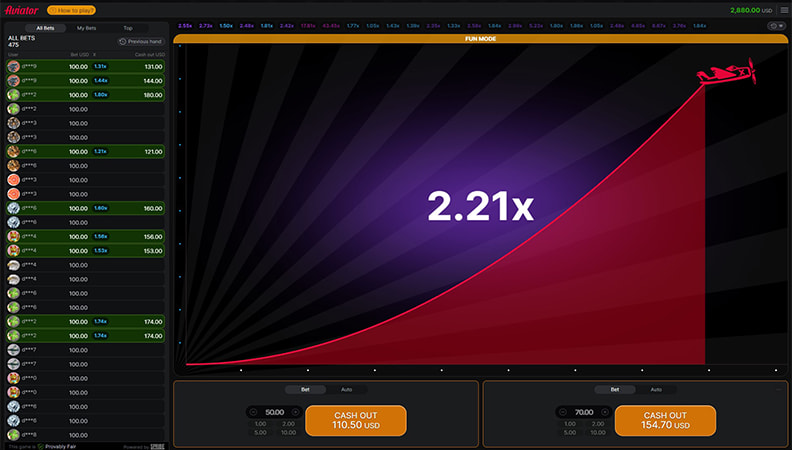
After devoting a lot of time with online games, I find myself coming back to the Aviator because it handles one thing perfectly. It bypasses complicated rules and focuses on the raw feeling of risk. You are not pitted against the house or other players; you’re in a race against a number that could vanish without warning. This setup produces a specific kind of pressure, a direct shot of adrenaline that is the whole point of playing. What I’ve learned is that the game’s genius is in this simplicity. It grabs a basic idea and converts it into a powerful emotional ride. Every round narrates its own short story about greed, timing, and nerve. You can sense the tension in the air, which makes the game as interesting to watch as it is to play.
The Basic Mechanics: How the Aviator Game Works
Understanding the Aviator game is simple. Getting comfortable with the tension it generates is the real challenge. Each round commences with a plane, represented as a line on a graph, starting to climb. A multiplier starts at 1.00 and goes up as the plane gets higher. Your main responsibility is to hit the ‘Cash Out’ button before the plane unpredictably flies off the screen. Withdraw at a 2.00 multiplier, and you get twice your money. Collect at 5.00, you get five times your bet. But if the plane flies away before you click, you lose that stake. There’s no technique involved in guessing when it will leave—it’s entirely random. So the complete game becomes a psychological battle with yourself. You’re constantly weighing the chance for a larger payout against the sudden threat of losing everything. It’s a true, focused form of gambling excitement.
The Mental Science of the Adrenaline Spike
That rush you get playing Aviator is no coincidence https://flytakeair.com/aviator. It’s skillfully built into the design. The instant climbing multiplier works as a potent visual and mental stimulus. Watching your likely winnings grow every second taps right into our innate drive to growing payoffs. The sudden crash creates another level, placing you in a condition of high awareness and tension. The game is a master at using the “near-miss” effect and the anxiety of missing out, or FOMO. Noticing the multiplier crash right after you cashed out delivers a jolt of grateful joy. Bursting a split-second before you click creates a twinge of disappointment. This pattern of waiting, choosing, and witnessing the conclusion floods your mind with dopamine and cortisol, creating a intoxicating brew of thrill that pulls players back for another round.
Main Elements That Shape the Session
Some key components unite to create the particular vibe of Aviator. The first is its minimalist interface, which removes all noise and focuses you entirely on the increasing value and the collect button. Next is the peer influence: most versions show a active record of what other players are betting and withdrawing. This is not merely for display. It directly shapes your choices. Watching someone else withdraw at a high multiplier may entice you to wait longer, while a run of quick failures could lead you to bail out too quickly. Finally, the round’s pace is everything. Games are completed quickly, sometimes in mere instants. This permits fast-paced rounds and keeps the overall experience progressing at a frantic speed. These aspects blend to produce a streamlined, communal, and highly rapid type of gambling that has turned into its trademark.
Graphic and Audio Cues
The appearance and audio of Aviator fulfill a quiet but vital function. The climbing chart line, usually accompanied with a rising engine whine or pitch, builds tension you can practically tangibly feel. The second of a crash or a winning withdrawal comes with a particular noise—a pleasing ‘cha-ching’ or a sharp, dramatic silence. These triggers exceed embellishing the screen. They train your reactions and draw you more into the experience. They convert abstract digits into a full experiential feeling, rendering a win seem more tangible and a failure more disorienting.
The Shared Group Component
Aviator is different from traditional slot machines because it regularly situates you in a digital arena with dozens of other users. You see their stakes and their cash-out moves as they occur. This transforms a private pursuit into a collective experience. You could experience a bond with the participants who withdrew beside you, or a twinge of jealousy toward someone who gambled all and reached a 10x multiplier. This extra communal layer adds a competitive and contrasting aspect that I feel significantly heightens the psychological involvement.
Crafting a Individual Play Strategy
Aviator is a chance game, but a sensible approach can help you manage your bankroll and maybe extend your play. I don’t view any tactic as a means of generating a guaranteed profit. Instead, I regard it as a framework for playing with discipline. The most key rule is to determine a loss threshold and a win target before you log in, and then stick to them no matter what. The game progresses so quickly it can cloud your judgment. Next, consider your bet value. Employing a modest, consistent portion of your entire bankroll for each round can shield you from a bad streak depleting your funds. Some players try a “single-bet” or “double-up” method after wins or losses, but I’ve seen these approaches hasten losses just as fast as they can amplify wins.
- Define Absolute Limits: Choose the most you’re ready to forgo and a profit goal that will cause you to stop. Quit the game when you reach either one.
- Use a Fixed Bet Size: Wager the same modest amount every round. This helps you avoid making greater, emotional bets after a loss, which is chasing losses.
- Practice with Practice Mode: Virtually all sites provide a free-to-play option. Invest time there to get a feel for the game’s flow without risking real cash.
Recognizing the Influence of Randomness
You need to get this into your head: the Aviator game runs on a Random Number Generator, or RNG. Every round’s result is distinct and impossible to foresee. The plane might crash at 1.10 or it might keep going past 100x. There is no pattern, no “due” crash, and no secret algorithm based on past rounds. This is the single most crucial idea to understand. Falling for “hot streaks” or “cold tables” is a trick of the mind called the gambler’s fallacy. The game’s design, especially that live feed of bets, can make you see patterns that aren’t there. Accepting the total randomness is the bedrock of playing responsibly. It reminds you that every cash-out choice is about your own comfort with risk, not a clever prediction of what comes next.
What to Look for in a Quality Aviator Platform
Selecting where you play counts just as much as how you play. A solid platform provides fairness, security, and a quality experience. My first check is always for valid licensing. A site carrying a license from a tough regulator like the Malta Gaming Authority or the UK Gambling Commission gets audited regularly, which proves the RNG is honest. Second, look for the game’s published Return to Player, or RTP, percentage. Aviator often has a generous theoretical RTP, often around 97%, but this can change depending on the provider. Third, assess the user experience. You need fluid performance, a obvious cash-out button, and an honest record of your game history. Finally, review the payment options and how fast they process withdrawals. A trustworthy site will give you several secure methods and won’t drag its feet when you want to take your money out.
Widespread Misconceptions and Traps
A few lingering and hazardous myths surround games like Aviator. The greatest one is the idea that a clever strategy can “beat” the game. No betting system can overcome the built-in house edge determined by the random crash point. Martingale systems, where you increase your bet after a loss, are particularly dangerous and can cause huge losses very quickly. Another trap is misinterpreting the social feed. Just because a few players cash out at high multipliers doesn’t indicate a higher multiplier more likely next time. Each round is independent. Also, the adrenaline rush itself can become a problem, driving you to chase losses or blow past the limits you set when you were thinking clearly. I tell players to be wary of these psychological traps.
The value of Responsible Gaming
Since Aviator is so fast-paced and rapid, a responsible mindset is essential. The very adrenaline surge that makes it fun can also lead to impulsive, costly choices. I cannot emphasize enough how essential it is to define strict time and money limits before you start. Employ the responsible gaming tools that reputable sites provide, like deposit caps, loss restrictions, time limit warnings, and the choice to self-exclude. Think of the game as a form of paid fun, not a source of income. The price of your session is the money you’re prepared to lose. Should you notice yourself trying to recover losses or playing longer than you planned, that’s a major red flag to stop. The aim should be to experience the excitement, not to be consumed by it.
Contrasting Aviator with Traditional Casino Games
Aviator signals a distinct departure from traditional casino games. It doesn’t require the skill or rule familiarity of blackjack or poker. Unlike roulette, you do not take your bet before the spin; you choose while the action is genuinely happening. And unlike slots, the result isn’t instant; you make an active, time-pressured call to take during the round. This engaging element while the round unfolds is what alters everything. Also, the group visibility—seeing what everyone else is doing—is uncommon in classic games. To me, Aviator belongs to a different class of “crash” games. It delivers a more straightforward, speedier, and more transparent kind of excitement compared the more regulated, paced rhythm of traditional table games, even though the risk is just as real.
- Call Timing: In classic games, you act before the outcome. In Aviator, you act while it develops.
- Expertise Factor: Poker demands skill. Aviator is solely about handling your own psychology under pressure.
- Communal Layer: Aviator displays you what other players are doing, which influences your play in real time. Most classic games maintain this private.
- Pace: Aviator rounds take seconds, packing far more betting events into an hour than traditional games.