


 Arabic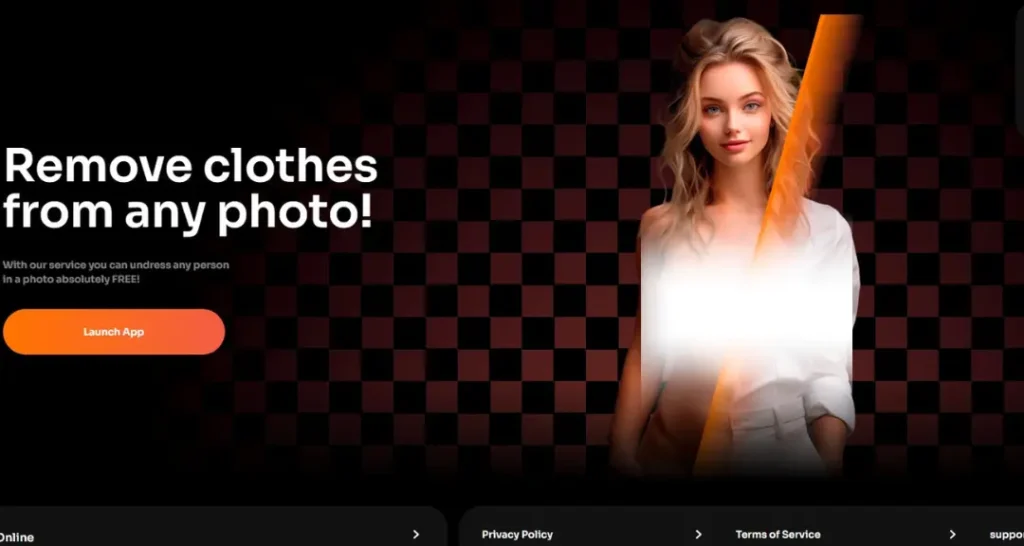
Revolutionizing Fashion: The New AI Tool for Clothes Removal
In the ever-evolving world of fashion, technology continuously seeks to augment and transform the way we create and consume clothing. One of the most intriguing advancements is the clothes remover ai tool https://aiclothesremover.app/, designed to enhance design processes, aid in virtual fitting, and optimize marketing strategies within the fashion industry. This article delves into the technology behind this innovative tool, its applications, and the potential implications for the future of fashion.
Understanding AI in Fashion
Artificial intelligence (AI) has infiltrated various sectors, but its integration into the fashion industry marks a significant breakthrough. AI applications range from predictive analytics to supply chain management, and now, with clothes removal technology, AI is poised to revolutionize the creative process itself. At its core, clothes remover AI utilizes sophisticated algorithms and machine learning techniques to analyze images and separate clothing items from figures, allowing for endless creative possibilities.
How It Works
The functioning of a clothes remover AI tool is built on complex image processing techniques. By leveraging deep learning models trained on vast datasets, the tool can identify objects within an image and separate them accordingly. Here’s a streamlined explanation of the process:
- Image Input: Users upload an image containing a figure dressed in clothing.
- Image Processing: The AI analyzes the image, identifying the contours and patterns of the clothing, while also recognizing the body shape and surroundings.
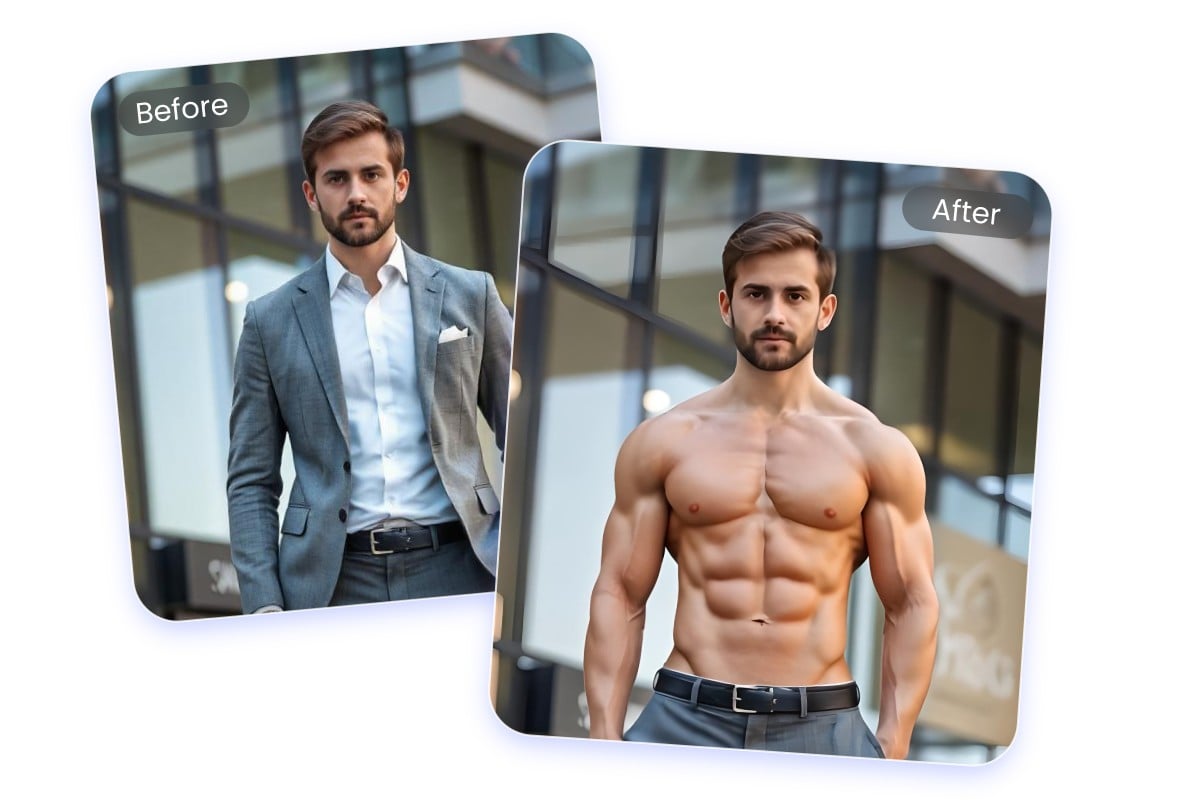
- Clothing Removal: It then effectively separates the clothes from the figure, producing a clean image of the unadorned subject.
This intricate process can be accomplished in seconds, significantly speeding up the workflow for designers, photographers, and marketers.

Applications in Fashion Design
The applications of the clothes remover AI tool in fashion design are extensive and varied:
- Virtual Fitting Rooms: Designers can create virtual fitting environments where potential customers can see how garments will look without needing models.
- Custom Design: Fashion designers can focus on creating unique styles by easily visualizing their patterns without distractions.
- Portfolio Creation: Designers can enhance their portfolios by showcasing their designs on bare models, emphasizing the garment itself.
Benefits for Photographers and Marketers
Photographers benefit from the clothes remover AI tool as well, allowing them to focus on the play of light and shadow, posing, and expression without the interference of clothing distractions. They can create striking editorials that highlight the artistry of photography. As for marketers, the tool aids in:
- Enhanced Product Visualization: Marketers can display their products in a clean and engaging manner, reducing clutter and allowing for vibrant, standout graphics.
- Targeted Advertising: By honing in on the clothing itself, ads can be tailored to specific audiences, elevating the effectiveness of marketing campaigns.
Impact on the Fashion Industry
The impact of the clothes remover AI tool stretches beyond convenience; it poses broader implications for the fashion industry:
Sustainable Fashion
With AI enhancing the design process, brands can explore sustainable practices by minimizing material waste, as designs can be finalized digitally before physical creation. Reducing excess samples contributes to a decrease in overstocks, benefitting both the environment and the company’s bottom line.
Inclusivity and Diversity
The AI tool also opens avenues for inclusivity. Designers can create and display clothing on a variety of body types without the need for multiple fittings, which can be especially empowering for curvier figures. By diversifying visual representation, brands can attract wider audiences.
Cost Efficiency
Additionally, streamlining the design and marketing process minimizes costs associated with traditional shooting methods. More efficient workflows mean increased productivity and quicker turnaround times, ultimately benefiting the consumer with faster access to trends.
Challenges and Considerations
However, integrating AI tools into fashion is not without its challenges. Concerns around data privacy and algorithmic bias must be addressed. Ensuring that the software is trained on diverse datasets is crucial to avoid perpetuating stereotypes or exclusion in the fashion narrative.
Conclusion
As the fashion industry continues to embrace innovative technology, the clothes remover AI tool exemplifies the trend towards digital transformation. From enhancing design practices to optimizing marketing strategies, its multifaceted advantages are set to reshape the industry. By embracing such advancements responsibly, the fashion world can harness the power of AI to create a more sustainable, inclusive, and efficient future. Fashion as we know it is evolving, and tools like the clothes remover AI are at the forefront of this transformation.